Glutathione: Benefits, IV Therapy, Side Effects, and What It Actually Does in Your Body
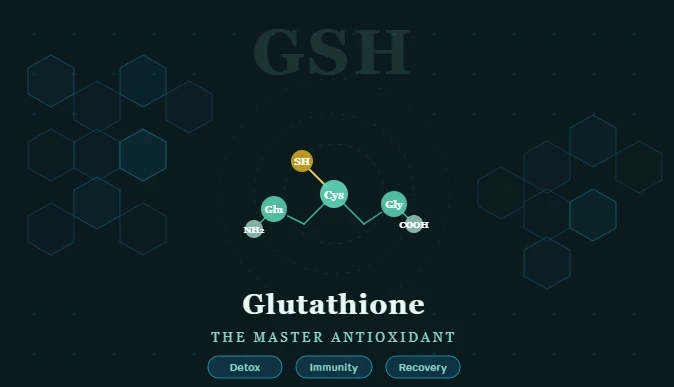
Glutathione is the most abundant antioxidant produced by the human body, present in virtually every cell, and yet it is one of the most misunderstood molecules in clinical wellness. Often called the "master antioxidant," glutathione is involved in processes ranging from liver detoxification and immune regulation to skin health and neurological protection. This guide covers the biochemistry, clinical evidence, therapeutic uses, and the key differences between oral supplementation and IV delivery.
What Is Glutathione?
Glutathione (GSH) is a tripeptide, meaning it is composed of three amino acids bonded together: glutamate, cysteine, and glycine. Unlike most peptides, glutathione contains an unusual gamma-peptide bond between glutamate and cysteine, which makes it resistant to breakdown by most peptidases in the body. This structural quirk is a large part of why it is so biologically durable and functional.
Glutathione exists in two primary states within the cell:
Reduced glutathione (GSH): The active, antioxidant form
Oxidized glutathione (GSSG): The spent form, converted back to GSH by the enzyme glutathione reductase using NADPH
Under healthy physiological conditions, more than 98% of cellular glutathione exists in the reduced (active) form. The ratio of GSH to GSSG is a direct indicator of cellular redox status, and when that ratio shifts, it signals oxidative stress.
Key identifiers:
IUPAC name: (2S)-2-amino-4-[[(1R)-1-[(carboxymethyl)carbamoyl]-2-sulfanylethyl]carbamoyl]butanoic acid
Also known as: GSH, L-glutathione, gamma-L-glutamyl-L-cysteinylglycine
CAS Number: 70-18-8
Endogenous production: Yes; synthesized in all mammalian cells, most heavily in the liver
Intracellular concentration: 0.2 to 10 mM in most cell types; up to 5 to 10 mM in hepatocytes
How Does the Body Make Glutathione?
Glutathione biosynthesis occurs in two sequential, ATP-dependent enzymatic steps that take place in the cytosol:
Step 1: The enzyme glutamate-cysteine ligase (GCL) combines glutamate and cysteine to form gamma-glutamylcysteine. This is the rate-limiting step in glutathione synthesis. Cysteine availability is the primary bottleneck because it is maintained at much lower intracellular concentrations than glutamate or glycine.
Step 2: The enzyme glutathione synthetase (GS) adds glycine to gamma-glutamylcysteine, completing the synthesis of glutathione.
GSH also exerts negative feedback inhibition on GCL, meaning the cell self-regulates its own production. Almost 90% of cellular GSH resides in the cytosol, with roughly 10% found in the mitochondria and a small fraction in the endoplasmic reticulum.
Why cysteine is the rate-limiting factor: The intracellular concentration of cysteine sits close to the Km value of GCL (0.1 to 0.3 mM), meaning the enzyme is operating near its saturation point under normal conditions. Any reduction in cysteine availability directly translates to reduced glutathione synthesis. This is clinically relevant because many supplementation strategies, including N-acetylcysteine (NAC) therapy, target this bottleneck.
What Does Glutathione Do?
Glutathione's functions extend well beyond simply neutralizing free radicals. It serves as a hub molecule that connects antioxidant defense, detoxification, immune signaling, and cellular metabolism.
1. Direct Antioxidant Activity
Glutathione donates electrons to neutralize reactive oxygen species (ROS) including hydrogen peroxide (H2O2), lipid peroxides, and hydroxyl radicals. This reaction is catalyzed by glutathione peroxidase (GPx), producing oxidized GSSG, which is subsequently recycled back to GSH by glutathione reductase. This redox cycle constitutes one of the body's primary defenses against aerobic oxidative damage in both the cytosol and the mitochondria.
2. Regeneration of Other Antioxidants
Glutathione directly recycles and regenerates other antioxidants that have been oxidized and inactivated:
Vitamin C (ascorbate): GSH reduces dehydroascorbate back to ascorbate
Vitamin E (alpha-tocopherol): GSH supports regeneration of oxidized tocopheryl radical
Alpha lipoic acid (ALA): GSH participates in maintaining ALA in its reduced form
This regenerative cascade is what distinguishes glutathione from most other antioxidants. It amplifies the protective capacity of the entire antioxidant network.
3. Phase II Detoxification in the Liver
Glutathione transferases (GST) conjugate GSH directly to endogenous and exogenous electrophilic compounds, including xenobiotics, carcinogens, and heavy metals. This conjugation reduces their reactivity and targets them for elimination via the bile and urine. The liver, which maintains the highest concentrations of glutathione in the body (5 to 10 mM), is the primary site of this detoxification activity. GSH levels in the liver are so central to detoxification capacity that liver function and glutathione status are directly linked.
4. Immune Regulation
Glutathione modulates immune cell function at multiple levels. It supports the proliferation and activity of lymphocytes, regulates cytokine production, and protects phagocytes from oxidative damage they generate during pathogen destruction. T-cell activation and natural killer (NK) cell cytotoxicity are both GSH-dependent processes. Depleted glutathione levels are consistently associated with impaired immune responses.
5. Mitochondrial Protection
The mitochondrial pool of glutathione is separate from the cytosolic pool and is particularly vulnerable to depletion. Mitochondria generate the majority of cellular ROS as a byproduct of oxidative phosphorylation, and mitochondrial GSH is the primary defense against this constant oxidative burden. Depletion of mitochondrial glutathione is associated with mitochondrial dysfunction, reduced ATP production, and increased cellular susceptibility to apoptosis.
6. Nrf2 Pathway Activation
Glutathione depletion triggers activation of Nrf2 (nuclear factor erythroid 2-related factor 2), the master transcription factor for antioxidant gene expression. Nrf2 upregulates the expression of dozens of cytoprotective enzymes, including GCL itself, creating a compensatory response to oxidative stress. This feedback mechanism connects glutathione status to the broader genomic regulation of cellular defense.
Glutathione and Aging: What the Research Shows
Glutathione levels decline with age, and this decline is now recognized as a significant driver of age-related oxidative stress. Research from Baylor College of Medicine demonstrated that elderly subjects had markedly lower red blood cell concentrations of glutathione compared to younger controls, along with significantly reduced glutathione synthesis rates and higher markers of oxidative damage.
The mechanism involves reduced availability of the precursor amino acids glycine and cysteine in older adults, which directly limits how much glutathione the body can synthesize. This is not simply a matter of antioxidant capacity. Mitochondrial glutathione depletion is directly linked to oxidative damage to mitochondrial DNA, impaired cellular energy production, and the patterns of age-related functional decline observed across tissues.
A longitudinal cohort study published in the Journal of Neuroinflammation found that declining circulating glutathione levels were associated with reduced executive function over four years in a healthy population of nearly 500 adults, independent of inflammatory markers. Oxidative stress, as reflected by glutathione status, appeared to be an earlier signal than inflammation in the trajectory of age-related cognitive decline.
The Benefits of Glutathione IV Therapy: What the Evidence Supports
Liver Detoxification and Hepatoprotection
The liver is simultaneously the primary site of glutathione synthesis and the organ most dependent on adequate GSH levels for its core function. Glutathione supports both Phase I and Phase II liver detoxification, with GSH conjugation constituting a major elimination pathway for drugs, metabolic waste products, and environmental toxins.
Clinical research supports the use of glutathione therapy in liver disease. A literature review of human studies from 2014 to 2024 examining glutathione therapy in non-alcoholic fatty liver disease (NAFLD) found consistent improvements in alanine transaminase (ALT) levels and reductions in oxidative stress markers in subjects receiving glutathione as the primary intervention.
Immune Function and Systemic Inflammation
Glutathione depletion is associated with reduced lymphocyte proliferation, impaired NK cell activity, and dysregulated cytokine production. Replenishing glutathione supports the functional capacity of immune cells that depend on adequate intracellular redox status to operate effectively.
Research has documented GSH depletion as a risk factor for chronic inflammatory and respiratory conditions, including chronic obstructive pulmonary disease (COPD) and atherosclerosis. The connection between glutathione, oxidative stress, and persistent systemic inflammation is one of the better-documented relationships in redox biology. For individuals dealing with recurrent sinus congestion, allergic inflammation, or chronic immune dysregulation, IV therapy for allergy and sinus relief at IV Drip Bedford includes antioxidant support that targets the inflammatory environment driving these symptoms.
Neurological Protection
Glutathione is the most abundant antioxidant in the brain and plays a central role in protecting neurons from oxidative damage. GSH depletion has been identified as an early-stage event in the pathogenesis of Parkinson's disease, occurring before the loss of dopaminergic neurons becomes clinically apparent. Animal model research demonstrated that depleting GSH via inhibition of GCL triggered a cascade of lipid peroxidation and cell death in mesencephalic cultures, identifying oxidative stress from glutathione insufficiency as a likely initiating mechanism in neurodegeneration.
The brain's dependence on a constant, high rate of oxidative metabolism makes it exceptionally vulnerable to GSH deficiency. Neural tissue cannot tolerate prolonged oxidative stress the way slower-metabolizing tissues can.
Athletic Recovery and Oxidative Stress from Exercise
Intense physical exercise generates substantial ROS production, with muscle tissue experiencing oxidative stress proportional to exercise intensity. Glutathione is directly consumed in neutralizing this exercise-induced oxidative burden. Reduced GSH levels following exhaustive exercise have been measured in red blood cells and muscle tissue, and the speed of glutathione repletion is a factor in recovery timeline and muscle function restoration.
IV glutathione delivery replenishes depleted stores rapidly, supporting the antioxidant environment needed for protein synthesis, tissue repair, and the restoration of mitochondrial function that drives recovery. Explore the full range of IV drip and IM shot services at IV Drip Bedford to build a recovery and performance protocol tailored to your training load.
Skin Health and Hyperpigmentation
Glutathione's effects on skin pigmentation are among its most sought-after and most discussed properties in clinical wellness settings. The mechanism is well-characterized at the biochemical level: GSH inhibits tyrosinase, the rate-limiting enzyme in melanin biosynthesis, by binding to its copper-containing active site. This reduces melanin production overall. Additionally, GSH shifts the melanogenesis pathway away from eumelanin (the darker brown/black pigment) toward pheomelanin (the lighter red/orange pigment) by interacting with dopaquinone intermediates in the Raper-Mason pathway.
Clinical evidence for oral glutathione and skin lightening exists, including a randomized controlled trial that found 250 mg/day significantly reduced melanin index after four weeks of administration. Topical formulations have also demonstrated measurable effects on pigmentation. The evidence base for intravenous glutathione specifically for cosmetic skin lightening is more limited, and high-dose or unregulated IV use for this purpose has been associated with safety concerns.
For those interested in skin brightening as part of a broader wellness approach, IV Drip Bedford's skin brightening offer glutathione as an intramuscular injection option alongside other antioxidant and nutrient therapies.
Oral Glutathione vs. IV Glutathione: Why Delivery Method Matters
This distinction is central to understanding why clinical IV protocols exist alongside oral supplementation.
Factor | Oral Glutathione | IV Glutathione |
Bioavailability | Low; largely degraded in the GI tract | ~100%; bypasses digestion entirely |
Speed of action | Slow; absorbed over hours if at all | Immediate; enters circulation directly |
Plasma concentration achievable | Limited by gut degradation | Clinically therapeutic concentrations |
Cellular uptake route | Requires precursor recycling | Direct systemic distribution |
Practicality | Convenient; no clinical setting needed | Requires licensed clinical setting |
The core issue with oral glutathione is that the intestinal mucosa and liver metabolize a substantial portion of ingested GSH before it ever reaches systemic circulation. A clinical review noted that orally administered glutathione "cannot be relied upon for therapeutic purposes," which is why researchers and clinicians have used precursor strategies (NAC, GlyNAC) or IV delivery to achieve meaningful systemic increases.
IV delivery achieves plasma concentrations that cannot be replicated through oral supplementation, and the distribution of glutathione to tissues, including the liver, brain, and muscle, is immediate. This is the primary clinical rationale for IV administration when therapeutic-level replenishment is the goal.
Glutathione IV Dosing: Clinical Context
There is no established Recommended Dietary Allowance for glutathione because it is synthesized endogenously. IV dosing in clinical practice varies based on indication, patient health status, and treatment goals. Published clinical protocols and research have employed the following ranges:
Application | Typical IV Dose Range | Notes |
General antioxidant/wellness support | 600 to 1,200 mg per session | Maintenance protocols |
Liver support and detoxification | 1,200 to 1,800 mg per session | Often combined with other compounds |
Neurological support (Parkinson's research) | 1,400 mg three times weekly | Based on specific clinical trial protocols |
Athletic recovery | 600 to 1,200 mg per session | Often combined with Vitamin C |
Skin brightening (adjunctive) | Varies; 600 to 2,400 mg cited | Evidence limited for high-dose cosmetic use |
All IV glutathione sessions at IV Drip Bedford are supervised by licensed registered nurses and dosed according to individual health profiles established during the intake process.
How Long Does It Take for IV Glutathione to Work?
The timeline depends on the indication and baseline glutathione status:
Acute effects: IV glutathione is bioavailable immediately. Patients often report feeling a difference in energy and mental clarity within hours of an infusion, consistent with the restoration of mitochondrial redox status.
Sustained clinical outcomes: For liver health, immune function, or skin-related goals, most protocols involve weekly sessions over four to eight weeks before assessing cumulative outcomes. Research on IV glutathione in NAFLD reported measurable improvements in liver enzymes over treatment periods of several weeks.
Maintenance: After an initial loading phase, many patients transition to biweekly or monthly sessions to maintain elevated glutathione status, particularly in the context of aging-related depletion.
Glutathione Side Effects and Safety
Glutathione is generally well-tolerated in clinical settings when administered appropriately by licensed professionals.
Common mild effects:
Temporary flushing or warmth at infusion site (typically brief)
Mild headache in some patients at higher doses
Rare nausea
Important clinical considerations:
Patients with asthma should be evaluated prior to IV glutathione because inhaled glutathione has been associated with bronchospasm in some asthmatic individuals; IV use at appropriate infusion rates has not shown the same risk profile, but medical history review is standard
Individuals with a known sensitivity to sulfur-containing compounds should inform their provider
High-dose IV glutathione for cosmetic skin lightening, particularly in unregulated settings, has been associated with adverse events including anaphylaxis and reports of hepatotoxicity; this underscores the importance of receiving IV therapy in a licensed clinical setting with appropriate monitoring
Glutathione should be used with clinical oversight in individuals with glucose-6-phosphate dehydrogenase (G6PD) deficiency
What is not a safety concern at standard therapeutic doses:
Organ toxicity at standard wellness dosing is not documented in the clinical literature
Interactions with common medications are not widely reported at standard doses, though patients on immunosuppressants or chemotherapy should disclose this to their provider
Glutathione in Context: What It Is Not
Glutathione is not a cure or treatment for any specific disease, and IV glutathione in a wellness setting is not equivalent to pharmaceutical intervention for diagnosed conditions. The clinical evidence base supports its use as a tool for maintaining antioxidant status, supporting liver and immune function, and reducing oxidative burden, particularly in individuals whose endogenous production is compromised by age, chronic stress, illness, or inadequate nutrient precursor availability.
Framing it accurately helps set realistic expectations: glutathione replenishment supports the body's own cellular defense systems. It does not replace those systems or override pathological processes that require medical treatment.
Key Takeaways
Glutathione is a tripeptide antioxidant produced endogenously from glutamate, cysteine, and glycine, with cysteine availability being the rate-limiting factor in synthesis.
It is the body's primary intracellular antioxidant, operating in both the cytosol and mitochondria, and is directly responsible for regenerating Vitamin C, Vitamin E, and alpha lipoic acid.
Glutathione levels decline measurably with age due to reduced precursor availability, which contributes to elevated oxidative stress, mitochondrial dysfunction, and impaired immune regulation.
Clinical research supports its therapeutic use in liver health, immune function, neuroprotection, and recovery from oxidative stress-generating conditions.
Oral glutathione has very limited bioavailability and cannot reliably achieve therapeutic plasma concentrations; IV delivery achieves near 100% bioavailability and is the clinically effective route when significant replenishment is the goal.
Standard IV dosing for wellness applications ranges from 600 to 1,800 mg per session depending on the indication; all sessions should be administered by licensed medical professionals in a clinical setting.
Side effects at therapeutic doses are generally mild and uncommon; the most significant safety concerns are associated with high-dose, unregulated use in non-clinical settings.
Glutathione IV Therapy in Bedford, MA
Bedford sits at the center of a workforce that runs on long hours and high cognitive demand. Engineers and researchers at MIT Lincoln Laboratory, defense and aerospace teams around Hanscom Field, and the software and biotech companies lining the Route 128 corridor all share the same complaint: mental fatigue that builds up faster than a weekend can clear it. Glutathione depletion from chronic stress and long screen hours is a common thread behind that fog, and IV replenishment is one of the more direct ways to address it.
The commute itself adds to the load. Many patients drive in from Concord, Lexington, Burlington, and Billerica, or connect through Logan Express before a flight out of Boston. Between traffic on Route 3 and back to back meetings, recovery time is scarce, which is exactly why a 30 to 45 minute glutathione session fits into a lunch break or an end of day stop before heading home.
Bedford's outdoor culture plays a role too. Runners and cyclists who train on the Minuteman Bikeway or spend weekend mornings at Great Meadows National Wildlife Refuge generate real oxidative stress from sustained aerobic effort, and glutathione is one of the antioxidants most directly consumed during that process. For patients managing training loads along the Concord River trails, IV glutathione is often paired with a recovery focused IV drip to support both muscle repair and mental clarity for the work week ahead.
Patients from across Middlesex County, including Concord, Lexington, Burlington, Billerica, and Bedford itself, choose IV Drip Bedford at 363 Great Road for glutathione sessions administered by licensed registered nurses in a clinical setting. Appointments can be booked online or by calling 781-287-8861
Why Can't I Just Take Oral Glutathione Supplements Instead of IV?
The fundamental problem with oral glutathione is absorption. The gastrointestinal tract and liver degrade a significant portion of ingested GSH before it enters systemic circulation. Clinical reviews have concluded that oral glutathione cannot reliably achieve therapeutic plasma concentrations. IV delivery bypasses this entirely, achieving near 100% bioavailability and distributing glutathione directly to tissues. For general wellness maintenance, oral precursors like NAC or GlyNAC supplementation can modestly support endogenous synthesis, but they are not equivalent to IV administration for therapeutic replenishment.
Who is a Good Candidate for IV Glutathione Therapy?
Individuals who may benefit include those experiencing fatigue associated with oxidative stress or inadequate cellular recovery, people with compromised liver function or high toxic exposure, those dealing with chronic inflammation or frequent illness, athletes seeking to support faster recovery from intense training, and individuals with age-related concerns where declining glutathione synthesis is a documented phenomenon.
How Often Should I Get Glutathione IV Therapy?
Most clinical and wellness protocols start with one to two sessions per week for the first three to four weeks, then taper to a maintenance schedule of every two to four weeks depending on individual goals and response. Dosing frequency is not one-size-fits-all; it depends on baseline health status, the reason for seeking therapy, and how the body responds to initial sessions.
Can Glutathione IV Therapy be Combined with Other IV Drips or IM shots?
Yes, and this is common in clinical practice. Glutathione is frequently combined with Vitamin C (which enhances its antioxidant effects synergistically), Magnesium, and B vitamins. It is also commonly administered as a push at the end of an IV drip session.
Does IV Glutathione Help with Skin Appearance?
Glutathione influences melanin production by inhibiting tyrosinase and shifting the balance of melanin types produced, which can result in a brighter, more even skin tone over time with regular use. Antioxidant reduction of oxidative damage in the skin also contributes to a healthier overall appearance. Results vary considerably between individuals and are more consistent with sustained use as part of a comprehens