How to Lower Your Cortisol Levels: A Biological Approach to Stress Relief
What is the fastest way to lower cortisol levels?
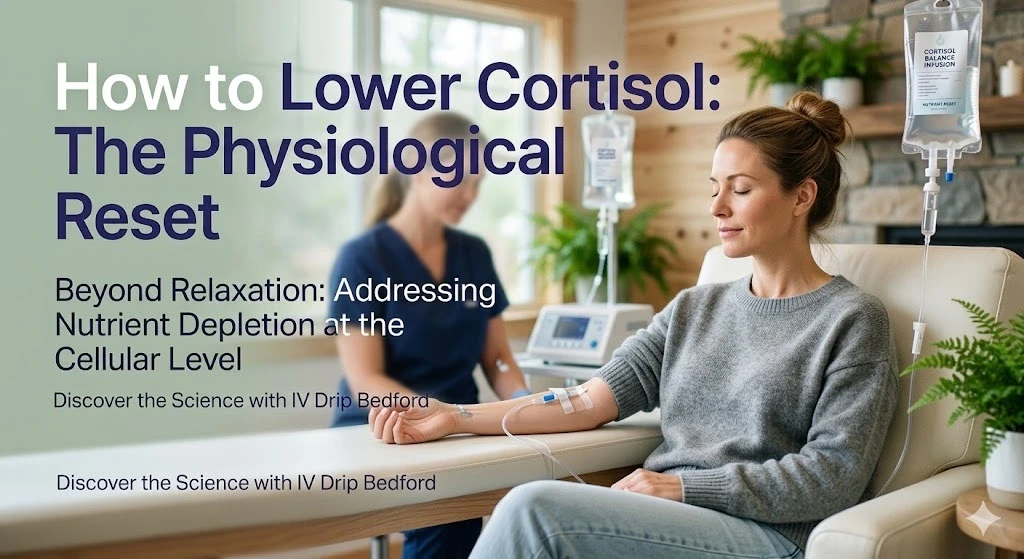
The fastest way to lower cortisol levels involves a combination of deep breathing to activate the parasympathetic nervous system and restoring critical micronutrients like Magnesium and Vitamin C. While lifestyle changes take time, IV therapy can rapidly lower cortisol by delivering these high-bioavailability nutrients directly into the bloodstream, bypassing the digestive system to neutralize the biological effects of stress and oxidative damage.
The Cortisol Connection: Science-Backed Strategies to Lower Your Stress Hormone
Cortisol is often labeled the "stress hormone," but biologically, it is an essential glucocorticoid produced by the adrenal glands to manage energy and inflammation. However, when the body stays in a state of chronic stress, cortisol levels remain elevated, leading to a cascade of physical issues including abdominal fat storage, muscle weakness, and severe "brain fog."
To lower cortisol effectively, you must address the body's internal chemistry. As research from the Cleveland Clinic and Mayo Clinic suggests, stress management is not just mental—it is a physiological requirement for survival.
The Biological Toll of High Cortisol
When your brain perceives stress, it triggers the hypothalamus-pituitary-adrenal (HPA) axis. This results in:
Metabolic Shifts: Cortisol triggers the release of glucose for quick energy, which, if unused, leads to insulin resistance and weight gain (specifically visceral "stress belly").
Immune Suppression: Chronic elevation weakens the immune response, making you more susceptible to illness.
Sleep Disruption: Cortisol should peak in the morning and drop at night. High evening levels cause insomnia, creating a vicious cycle of fatigue and further stress.
1. Prioritize Circadian Sleep Cycles
According to the Sleep Foundation, sleep and cortisol are bi-directionally linked. Sleep deprivation causes a surge in next-evening cortisol. To reset this rhythm:
Maintain a consistent wake-up time to anchor your circadian clock.
Avoid blue light and caffeine 6 hours before bed to allow natural cortisol decline.
2. Strategic Nutrient Intake
Diet is a primary lever in cortisol regulation. Harvard research indicates that certain nutrients directly dampen the HPA axis response:
Magnesium: Acts as a "gatekeeper" for the nervous system, helping the body shift into a relaxed state.
Vitamin C: The adrenal glands have the highest concentration of Vitamin C in the body; chronic stress depletes these stores rapidly.
Omega-3 Fatty Acids: Shown to reduce the inflammatory markers that trigger cortisol release.
Magnesium is a critical gatekeeper for the HPA axis, yet it is one of the first minerals depleted during periods of intense work or emotional strain. To restore these levels with 100% bioavailability, consider our Hydration IV Therapy in Bedford, which provides the cellular foundation needed to dampen the cortisol response.
3. The Physiological Reset: Why IV Therapy Works
While oral supplements are helpful, the New England Journal of Medicine (McEwen, 1998) highlights that chronic stress can damage digestive efficiency, making it harder to absorb cortisol-lowering nutrients.
IV therapy bypasses this "absorption ceiling." By delivering high doses of Magnesium and Vitamin C directly to the vascular system, the body receives an immediate toolkit to:
Neutralize oxidative stress.
Lower systemic inflammation.
Provide the raw materials needed for the adrenal glands to recover.
Since chronic high cortisol inhibits the body's natural ability to enter a 'rest and digest' state, targeted micronutrient support can be a vital shortcut to recovery. You can find immediate physiological support through our IV Drip for Stress & Relaxation, specifically designed to stabilize the nervous system."
Why Does High Cortisol Cause Weight Gain In The Midsection?
Cortisol increases the activity of lipoprotein lipase, an enzyme that encourages fat storage. Abdominal fat cells have four times more cortisol receptors than fat cells elsewhere, making the waistline the primary target for stress-induced fat accumulation.
How Quickly Can I Lower My Cortisol Levels?
Short-term cortisol spikes can be lowered in minutes through deep breathing (Vagus nerve stimulation). However, lowering chronic baseline cortisol requires 2-4 weeks of consistent sleep, nutrition, and targeted micronutrient support.
Can IV Therapy Help With "Allergy Stress" and Cortisol?
Yes. Allergic reactions are a form of physical stress that triggers cortisol release. Targeted infusions help flush allergens and provide the antioxidants necessary to lower the resulting inflammatory load.
Does High Cortisol Directly Influence Cravings For Sugary Foods?
Cortisol is biologically designed to provide the body with immediate fuel during a perceived threat by mobilizing glucose. When stress is chronic but physical action is not taken, blood sugar levels fluctuate, signaling the brain to seek out high-calorie, high-carbohydrate "comfort foods" to quickly replenish energy stores. This cycle is a primary driver of stress-induced weight gain.
How Does The Circadian Rhythm Impact Daily Cortisol Secretion?
Cortisol follows a strict 24-hour cycle known as the diurnal rhythm. Levels naturally peak around 8:00 AM to help the body transition from sleep to wakefulness and should reach their lowest point around midnight to facilitate deep, restorative sleep. Disruptions to this rhythm—such as blue light exposure at night or irregular sleep schedules—keep cortisol levels abnormally high during the evening, preventing the cellular repair that occurs during the "rest and digest" phase.