What Happens After an IV Drip? Recovery, Hydration and Aftercare
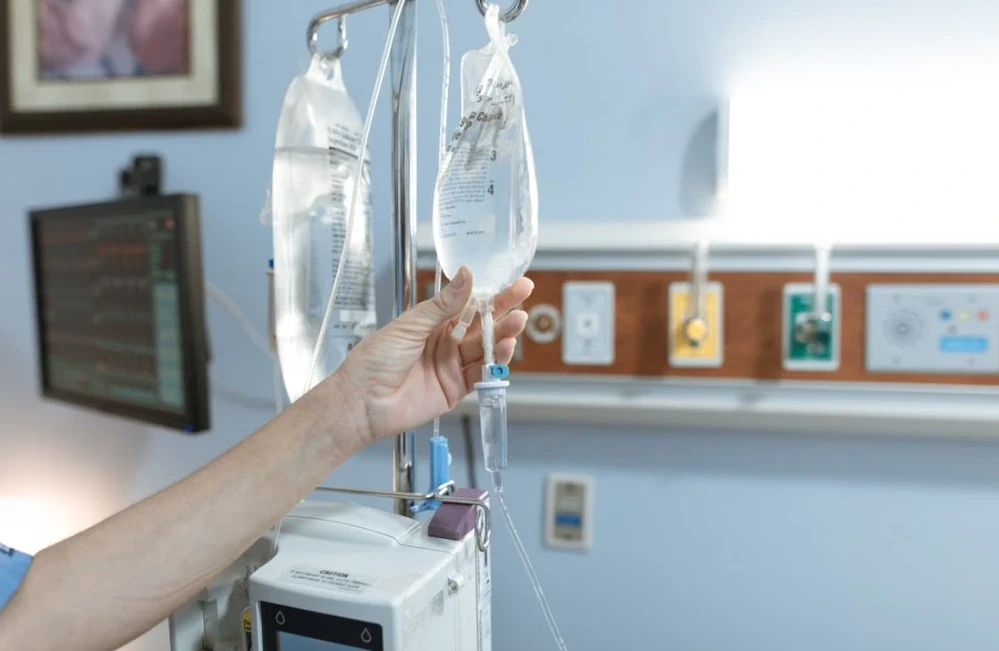
After an IV drip therapy, most people can return to their normal routine once the session is complete, depending on how they feel and what type of treatment they received. Post-IV care generally focuses on continuing normal hydration, eating balanced meals, monitoring how you feel, and allowing your body time to respond to the treatment.
The experience after an IV drip can vary based on the ingredients administered, the reason for treatment, your hydration status, and your individual health needs.
What Should You Do Immediately After an IV Drip?
Once your IV drip is complete, follow the instructions provided by your healthcare professional and pay attention to how you feel before leaving.
For most people, simple aftercare includes:
Continue drinking fluids normally throughout the day.
Eat a balanced meal if you have not eaten recently.
Avoid immediately returning to strenuous exercise if you feel tired or lightheaded.
Keep the IV insertion site clean and monitor it for unusual redness, swelling, or persistent discomfort.
Give yourself time to rest if your body feels fatigued.
You generally do not need to follow a special recovery protocol after every IV treatment. Your aftercare can depend on the type of IV therapy and your individual circumstances.
Can You Drink Water After an IV Drip?
Yes. Drinking water after an IV drip is generally appropriate unless a healthcare professional has advised you to restrict fluids.
IV therapy provides fluids directly into the bloodstream, but normal oral hydration remains an important part of maintaining fluid balance throughout the day. An IV treatment should not be considered a replacement for your everyday intake of water and other appropriate fluids.
Your hydration needs can vary according to exercise, weather, diet, illness, medications, and other factors.
For a deeper look at hydration and recovery, see our guide to IV hydration and recovery in Bedford, MA.
Can You Eat After IV Therapy?
Yes. Most people can eat normally after an IV drip unless they have been given different instructions for a specific treatment.
A balanced meal can include:
Protein sources such as eggs, poultry, fish, beans, or yogurt
Carbohydrates such as rice, potatoes, oats, or whole grains
Fruits and vegetables
Healthy sources of fat
Fluids to support normal hydration
Eating after treatment can be particularly useful if you have exercised, have not eaten for several hours, or need to replenish energy.
Can You Exercise After an IV Drip?
Whether you should exercise immediately after an IV drip depends on how you feel and the type of activity you plan to do.
Light everyday movement may be comfortable for many people. However, it is sensible to avoid jumping directly into a demanding workout if you feel dizzy, weak, unusually tired, or otherwise unwell.
For strenuous exercise, consider allowing your body time to recover and follow any specific instructions provided by your healthcare professional.
Our article on post-workout recovery and common recovery mistakes explains why hydration, nutrition, rest, and recovery habits matter after exercise.
How Long Do IV Therapy Effects Last?
There is no single timeframe for how long the effects of an IV drip last.
The experience depends on several factors, including:
The type and amount of fluids or nutrients administered
Why the treatment was received
Your existing hydration and nutritional status
Your individual metabolism
Your overall health
Your activity level after treatment
Some effects, such as receiving fluids when you are dehydrated, may be noticed relatively quickly. Other experiences can be more gradual or may not be noticeable at all.
IV therapy should not be viewed as a guaranteed way to produce a specific feeling or health outcome.
What Should You Watch for After an IV Drip?
Most people tolerate IV therapy without major problems, but you should pay attention to unusual or persistent symptoms after treatment.
Contact your healthcare provider if you develop concerning symptoms such as:
Significant or worsening pain at the IV site
Increasing redness or swelling around the insertion site
Persistent dizziness or weakness
Difficulty breathing
Chest pain
Severe or unexpected symptoms
Seek urgent medical attention for severe symptoms, particularly difficulty breathing, chest pain, fainting, or signs of a serious allergic reaction.
Can You Work After an IV Drip?
Many people can return to work or their normal daily activities after an IV drip if they feel well enough.
Your decision should depend on how you feel rather than assuming that every IV treatment has the same effect. If you experience fatigue, lightheadedness, or other symptoms, take time to rest and follow professional guidance.
For this reason, scheduling an IV appointment when you can allow some flexibility afterward may be preferable to immediately planning a demanding physical activity.
Does Everyone Feel Different After an IV Drip?
No. People can have very different experiences after IV therapy.
Some individuals may report feeling more hydrated or refreshed, while others may not notice an immediate change. The response can depend on the reason for treatment, baseline hydration, the formulation used, and individual physiology.
A lack of an immediate noticeable sensation does not necessarily mean that the treatment was ineffective, just as feeling different does not automatically indicate a specific medical benefit.
What Is the Best Aftercare Following an IV Drip?
The simplest approach is to return to healthy daily habits and follow the instructions provided by your healthcare professional.
After an IV drip:
Hydrate normally. Continue drinking appropriate amounts of fluid throughout the day.
Eat well. Choose a balanced meal with protein, carbohydrates, and nutrient-dense foods.
Listen to your body. Rest if you feel tired or lightheaded.
Resume exercise gradually. Avoid demanding activity if you do not feel ready.
Monitor the IV site. Pay attention to persistent pain, swelling, redness, or other unusual changes.
Follow treatment-specific instructions. Different IV treatments may require different considerations.
The goal of post-IV care is not to create an elaborate recovery routine. It is to support normal hydration, nutrition, rest, and safe return to your usual activities.
If you're considering professional IV support in the area, explore IV Drip Therapy Andover to learn more about available IV wellness options and services.
Can I drink coffee after an IV drip?
There is not a universal rule that prohibits coffee after IV therapy. However, your overall fluid intake, caffeine consumption, treatment type, and individual health circumstances should be considered. Follow any treatment-specific advice provided by your healthcare professional.
Can I shower after an IV drip?
In general, a shower is not inherently incompatible with having received an IV drip. However, follow any instructions regarding the IV insertion site, especially if there is a dressing or residual irritation.
Can I drive after an IV drip?
Whether you should drive depends on how you feel after treatment. If you experience dizziness, weakness, blurred vision, or any symptom that could impair your ability to drive safely, do not drive until you feel well and are able to do so safely.
Should I rest after an IV drip?
Rest is not necessarily required after every IV treatment, but it can be appropriate if you feel tired or unwell. Your activity level should reflect how you feel and any instructions provided by your healthcare professional.
What should I do if I feel dizzy after an IV drip?
Sit or lie down somewhere safe and inform the healthcare team if you are still at the clinic. If dizziness is severe, persistent, or accompanied by symptoms such as chest pain, difficulty breathing, fainting, or severe weakness, seek urgent medical attention.