Why Am I So Tired? Top 10 Nutrient Deficiencies Causing Fatigue in 2026
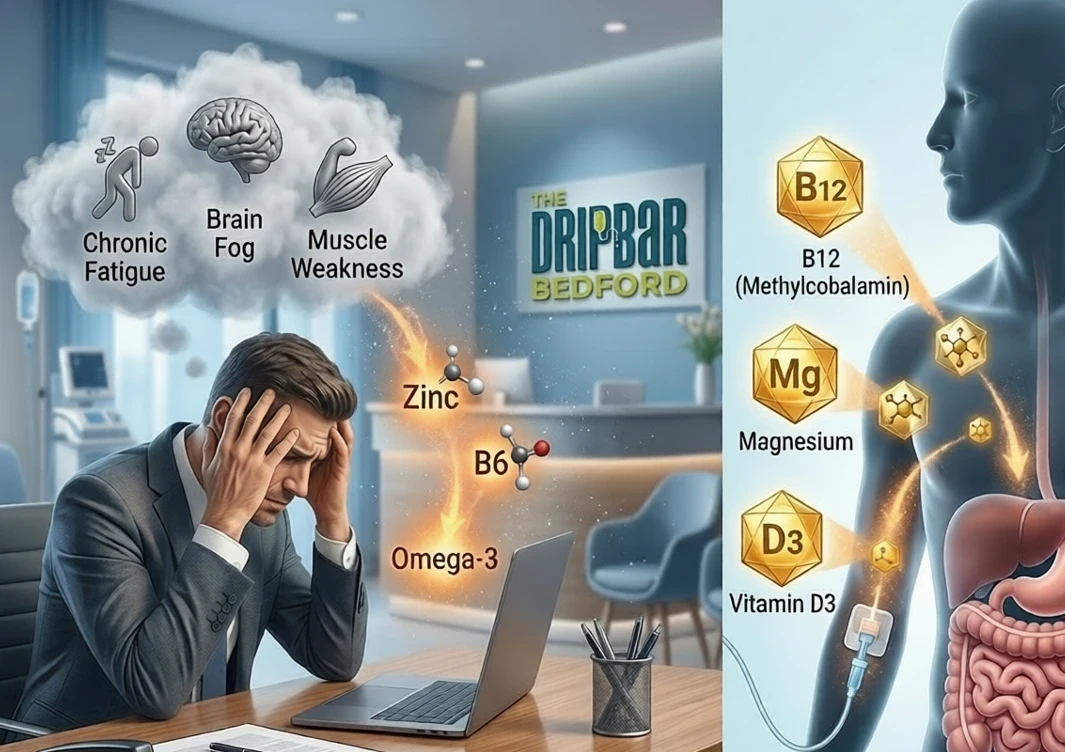
In 2026, chronic fatigue has become a global epidemic, affecting over 67% of adults. While many blame "hustle culture" or poor sleep, the underlying culprit is often hidden in plain sight: nutritional bankruptcy. Even with a balanced diet, soil depletion and high-stress lifestyles mean our bodies are burning through essential minerals faster than we can replace them.
What is Nutritional Deficiency?
A nutritional deficiency occurs when the body does not receive or cannot absorb the necessary amount of a nutrient such as vitamins, minerals, or proteins required for optimal physiological function. In 2026, we categorize these deficiencies into two types: primary, caused by insufficient dietary intake, and secondary, caused by malabsorption issues, chronic illness, or lifestyle factors that deplete nutrient stores faster than they can be replenished.
Unlike acute hunger, nutritional deficiencies are often "hidden," manifesting as chronic fatigue, cognitive decline, or weakened immunity long before physical clinical signs appear. Because the human body prioritizes essential life-sustaining functions, it will "steal" nutrients from your hair, skin, and bones to protect your heart and brain, often leaving you feeling drained and physically depleted.
If you are waking up tired despite 8 hours of sleep, here are the top 10 deficiencies likely draining your battery.
1. Iron (Ferritin)
Iron is the primary vehicle for oxygen transport. In 2026, iron deficiency remains the #1 cause of fatigue globally, particularly among women of childbearing age and plant-based eaters.
Sign Note: Shortness of breath when climbing stairs or a frequent craving to chew on ice (pagophagia).
2. Vitamin B12 (Methylcobalamin)
B12 is the "spark plug" of the cell, vital for DNA synthesis and nerve function. Because it requires a complex digestive process, many people fail to absorb it through pills alone.
Sign Note: A "pins and needles" tingling sensation in your hands or feet and frequent "tip-of-the-tongue" memory lapses.
3. Magnesium
Known as the "Chill Mineral," magnesium is involved in over 300 biochemical reactions. Low levels lead to muscle tension and poor sleep quality.
Sign Note: Frequent muscle twitches (especially in the eyelid) or painful nighttime leg cramps.
4. Vitamin D3
In the New England winter, nearly 80% of residents fall below optimal levels, as D3 acts more like a hormone that regulates immune function and mood.
Sign Note: Unexplained bone or lower back pain and a noticeably lower mood during the winter months in Bedford.
5. Vitamin B6 (Pyridoxine)
B6 is essential for converting food into fuel and producing neurotransmitters like serotonin.
Sign Note: Vivid dreams that are hard to remember or cracked, sore skin at the corners of the mouth.
6. Folate (Vitamin B9)
Folate deficiency leads to large, inefficient red blood cells that cannot carry oxygen properly to your muscles and brain.
Sign Note: A smooth, red, or sore tongue (glossitis) and a feeling of "heavy limbs" throughout the day.
7. Vitamin C (Ascorbic Acid)
Vitamin C is a required cofactor for the adrenal glands. When you are under chronic stress, your body depletes Vitamin C to produce cortisol.
Sign Note: Easy bruising or small "broken" blood vessels (petechiae) and gums that bleed easily when brushing.
8. Potassium & Electrolytes
Fatigue isn't always about vitamins; it’s often about electrical conductivity and cellular hydration.
Sign Note: Heart palpitations (feeling like your heart skipped a beat) or a constant thirst that plain water doesn't seem to quench.
9. Omega-3 Fatty Acids
Omega-3s are crucial for mitochondrial health. When your "cellular power plants" are inflamed, they cannot produce energy efficiently.
Sign Note: Dry, itchy skin or "chicken skin" (small bumps) on the back of your arms.
10. Zinc
Zinc is a major player in metabolic rate and thyroid health. Low zinc can lead to a sluggish metabolism and mental slowness.
Sign Note: White spots on your fingernails or a diminished sense of taste and smell.
The "Absorption Wall": Why Pills Often Fail
In 2026, we are realizing that what you eat is not always what you absorb. Stress, gut inflammation, and "absorption ceilings" mean that high-dose oral vitamins often have a bioavailability of less than 20%.
To solve chronic fatigue, you must bypass the digestive bottleneck. While oral supplements help, intravenous (IV) therapy ensures 100% bioavailability, delivering nutrients directly to the cells that need them most.
Restoring Your Energy in Bedford, MA
If you’ve tried every supplement on the shelf and still feel drained, it’s time to look at direct-to-bloodstream delivery. At IV Drip Bedford, we specialize in clinical-grade infusions designed to correct these 10 deficiencies in a single session.
Ready to stop feeling tired? Explore our Energy and Fatigue IV Protocols or visit us in Bedford for a personalized nutrient consultation.
How do I know which deficiency I have?
The best way is through a comprehensive blood panel. However, many clients in Bedford find that a "broad-spectrum" infusion like a Myers' Cocktail provides immediate relief from general fatigue.
Can I get these nutrients from food alone?
While possible, 2026 soil studies show that nutrient density in produce has dropped by up to 40% over the last century. Supplementation—especially via IV for those with high stress—is often necessary to reach optimal levels.
Why am I so tired when I wake up?
Morning fatigue is often caused by "sleep inertia" or underlying nutrient deficiencies like low Magnesium and Iron, which prevent your body from reaching the deep, restorative stages of the sleep cycle.
What are the three types of fatigue?
The three primary categories are physical fatigue (muscle exhaustion), mental fatigue (cognitive "brain fog"), and emotional fatigue (burnout), each requiring different recovery strategies such as electrolyte replenishment or nervous system regulation.
How do I stop my tiredness?
To effectively stop chronic tiredness, you must address the "absorption bottleneck" by hydrating properly and ensuring cellular saturation of B-vitamins and minerals, often achieved most rapidly through direct-to-bloodstream nutrient delivery.